Top Chemical Mechanical Seals Suppliers Worldwide?
Choosing the right Chemical Mechanical Seals supplier requires more than comparing prices or browsing attractive product catalogs. In chemical processing, a seal may face corrosive acids, abrasive crystals, high temperatures, pressure changes, and continuous shaft movement. A small material mismatch can create leakage, unplanned downtime, or damaged equipment. The details matter: carbon faces, silicon carbide, tungsten carbide, elastomer compatibility, spring design, and flush arrangements all influence performance.
Robert Flitney, author of Seals and Sealing Handbook, offers a useful principle: “A seal is not an isolated component; it is part of a sealing system.” This idea guides our review of leading suppliers worldwide. We examine engineering experience, manufacturing consistency, testing practices, technical support, customization, and compliance with recognized industry standards. Suppliers serving refineries may differ from those supporting pharmaceutical, food-processing, or wastewater facilities. There is no universal winner.
A company can appear impressive on paper, yet provide weak installation guidance. Another may offer excellent prototypes but limited global service. That contradiction deserves attention. Reliable suppliers usually explain operating limits clearly, recommend suitable materials, and provide documentation before problems occur. They also understand pumps, mixers, reactors, and the process conditions surrounding the seal. Our comparison focuses on practical value, not promotional language. It considers proven performance, response capability, and long-term maintenance needs. The ranking may still require reflection, because supplier quality can vary by region, product line, and application.
Chemical Mechanical Seals: Definition, Functions, and Industry Applications
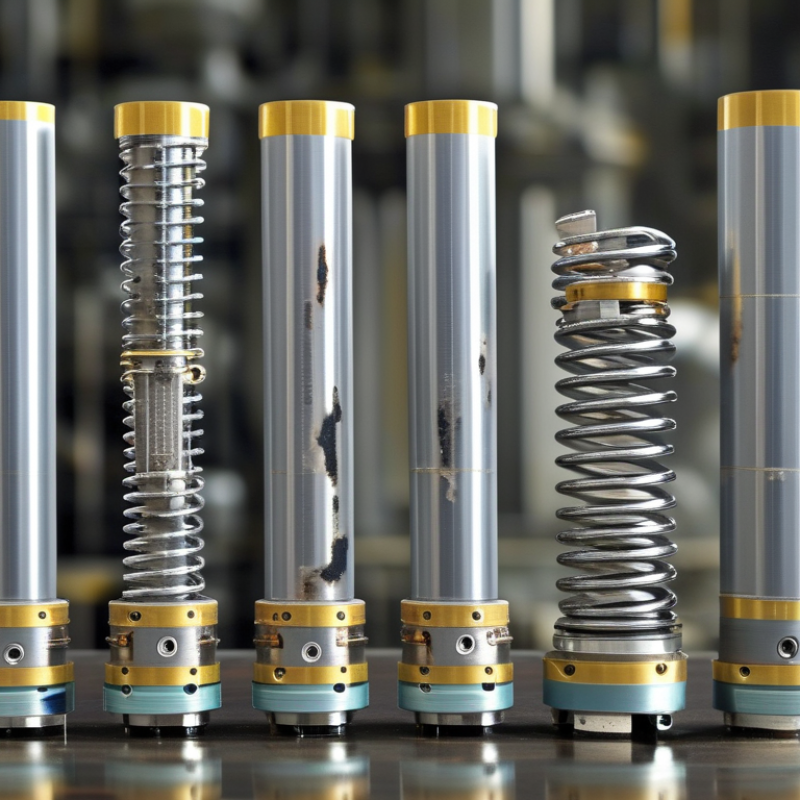
Chemical mechanical seals prevent fluid leakage where rotating shafts enter pumps, mixers, and reactors. Their faces press together with controlled force. A thin lubricant film reduces friction, heat, and wear. Secondary elastomers protect the shaft and housing from chemical contact.
The seal material must match the process. Silicon carbide handles abrasive slurries, while corrosion-resistant alloys suit many acidic services. Temperature, pressure, shaft speed, and dry-running risk also influence the design. The U.S. Department of Energy identifies pumping systems as major industrial energy users, making leakage control and efficient sealing practical maintenance priorities. Small failures can create large production losses.
Applications include chemical reactors, solvent-transfer pumps, wastewater equipment, fertilizer units, and pharmaceutical mixing systems. Fortune Business Insights valued the global mechanical seals market at approximately USD 3.9 billion in 2023, with continued growth projected through the decade. Suppliers worldwide increasingly provide cartridge seals, split seals, and engineered systems for demanding fluids. However, market reports often combine chemical, oil, water, and general industrial data. Their categories are not perfectly comparable. In field inspections, incorrect face materials and poor shaft alignment remain common causes of early failure. Selection should therefore involve operating records, seal-face inspection, and documented compatibility testing rather than catalogue matching alone.
Leading Chemical Mechanical Seal Suppliers Worldwide
Leading Chemical Mechanical Seal Suppliers Worldwide
Chemical mechanical seal suppliers serve demanding plants handling acids, solvents, slurries, and high-temperature fluids. Strong suppliers provide engineered designs, traceable materials, and documented testing. MarketsandMarkets estimates the global mechanical seals market could grow from about USD 4.5 billion in 2023 to nearly USD 6 billion by 2028. This growth reflects upgrades in chemical processing, water treatment, and industrial manufacturing.
Experienced buyers should examine supplier performance beyond catalog prices. Look for compliance with ISO 21049 and API 682 where applicable. Review pressure ratings, face materials, elastomer compatibility, and leakage-test records.
Suppliers with application engineers can improve seal selection around rotating speed, shaft movement, and crystallizing fluids. The wrong elastomer may harden quickly, even when the seal appears correctly installed. That detail is easy to miss.
Tips:
Request a written compatibility chart and recent quality certificates. Ask how suppliers manage batch traceability and emergency replacement parts.
Cross-check claims against independent inspection reports, not sales language alone. A practical trial under real process conditions remains valuable.
Market forecasts are useful, but they cannot replace field evidence. Some supplier comparisons also overlook maintenance training, which may distort the final purchasing decision.
How to Select the Right Chemical Mechanical Seal Supplier
Top Chemical Mechanical Seals Suppliers Worldwide?
How to Select the Right Chemical Mechanical Seal Supplier
Selecting a chemical mechanical seal supplier starts with your process, not a sales catalogue. Identify the fluid, concentration, temperature, pressure, shaft speed, and equipment type. Small details matter. Abrasive crystals can damage faces quickly. Solvents may attack elastomers without visible warning.
Ask suppliers to explain material compatibility using documented data. Face materials, secondary seals, springs, and metal parts must suit the entire operating range. Request test records, dimensional drawings, traceability documents, and clear inspection procedures. A capable supplier should discuss failure modes openly, including leakage, face distortion, dry running, and thermal damage. Vague answers deserve caution.
Practical experience also matters. Look for engineers who understand pumps, mixers, reactors, and maintenance conditions. They should recommend a design that workers can install correctly. Complex seals are not always better. In many plants, a simpler arrangement reduces maintenance errors and spare-part costs. Check production capacity, delivery reliability, technical support, and emergency response before approving a supplier. A low quotation can hide weak testing or unstable materials. I have seen selection teams focus heavily on price, then overlook installation training. That decision became expensive. Supplier audits should include manufacturing controls, calibration records, corrective-action history, and communication quality. No supplier gets every decision right. The most reliable partner admits limitations, asks precise questions, and improves the design when field evidence challenges the original specification.
How to Select the Right Chemical Mechanical Seal Supplier
The chart compares representative upper continuous-use temperatures for commonly specified chemical mechanical seal materials. Actual limits depend on compound formulation, pressure, fluid concentration, shaft speed, and mechanical seal design. When evaluating suppliers, confirm temperature data against the applicable chemical compatibility tables, test reports, and standards such as API 682 and ISO 21049.
Reference basis: commonly published engineering temperature ranges for PTFE, PEEK, graphite, FKM, and EPDM sealing materials; values are representative and grade-dependent.