Ultimate Guide to Desizing Enzymes Tips for Effective Use?
In the world of textile processing, the use of a desizing enzyme is crucial. This enzyme helps remove sizing agents from fabrics, ensuring a smooth surface for subsequent dyeing or finishing processes. Applying desizing enzymes properly can make a significant difference in the quality of the final product.
However, using desizing enzymes is not without its challenges. Improper application can lead to fabric damage or incomplete desizing. It’s vital to understand the specific enzyme characteristics, such as pH tolerance and temperature range. Factors like fabric type and sizing materials also affect how these enzymes work. Reflecting on past experiences can reveal areas for improvement.
Achieving optimal results requires a balance of technique and understanding. Each production run may present unique challenges. Careful monitoring and adjustments in enzyme concentration can yield better outcomes. This journey into effective desizing enzyme use can lead to greater efficiency and satisfaction in the textile industry.
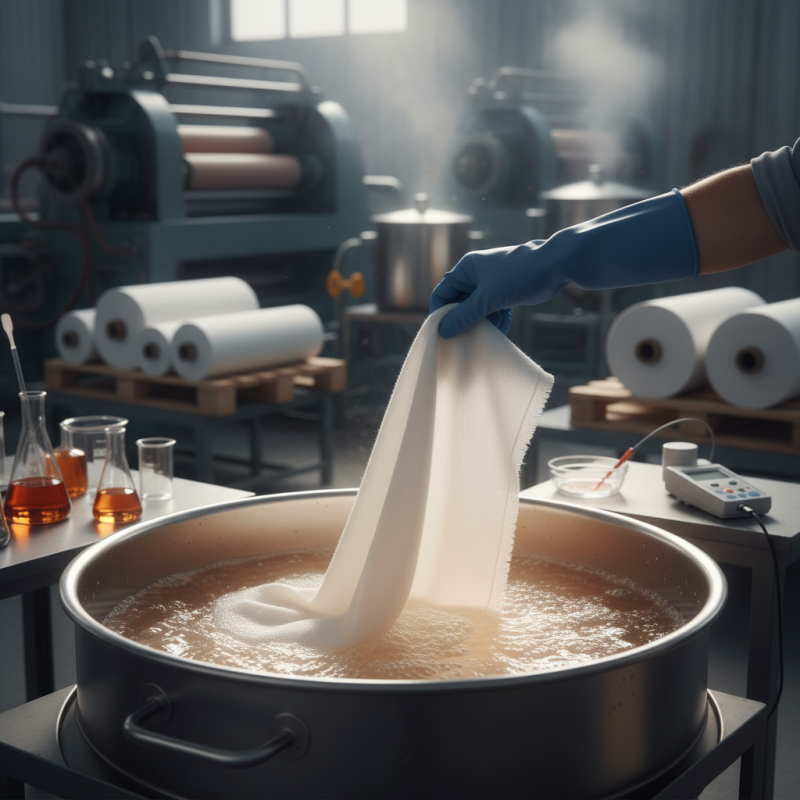
Understanding Desizing Enzymes: Definition and Importance
Desizing enzymes are crucial in textile processing. They help remove starch, sizing agents, and other substances from fabric surfaces. This process enhances dyeing and finishing, leading to better quality fabrics. Industry reports indicate that proper desizing can improve dye uptake by as much as 30%. This increase translates to more vivid colors and enhanced fabric performance.
When using desizing enzymes, it's essential to ensure optimal conditions. Temperature, pH, and enzyme concentration significantly affect performance. For instance, keeping the water temperature between 60 to 70 degrees Celsius can maximize enzyme activity. Monitoring these variables is vital for effective desizing.
Tip: Always conduct small-scale tests before full-scale application. This approach allows for adjustments based on fabric type and sizing agents used. Remember, different fabrics may respond differently to the same enzyme. Sometimes, what works well on one fabric could fail on another. Take the time to assess these variables for best results.
Ultimate Guide to Desizing Enzymes Tips for Effective Use
| Aspect | Details |
| Definition | Desizing enzymes are used to remove sizing agents from woven fabrics, improving dye absorption and fabric performance. |
| Importance | Essential for preparing fabrics for dyeing, increasing color vividness and uniformity. |
| Types of Enzymes | Amylases, cellulases, and proteases are commonly used in desizing processes. |
| Application Methods | Batch process, continuous process, or in combination with other treatments like soaking or washing. |
| Optimal Conditions | Typically, a temperature of 50-60°C and a pH of 6-8 are ideal for effective enzyme activity. |
| Advantages | Environmentally friendly, efficient in removing sizes, and enhances fabric handle. |
| Considerations | Proper dosage and timing are critical to prevent damage to the fabric. |
| Industry Use | Widely used in textile manufacturing, especially for cotton and blended fabrics. |
Types of Desizing Enzymes: A Comprehensive Overview
Desizing enzymes play a crucial role in textile processing. They help remove size materials from fabrics, ensuring a softer feel and better dye uptake. Various types of desizing enzymes exist, each designed for specific fabrics and conditions. Amylases are commonly used to break down starch sizes. Their effectiveness depends on temperature and pH levels. This can be tricky, as incorrect settings may lead to incomplete desizing or damage.
Another type is cellulase, which targets cotton fabrics. It eliminates residual gloss and enhances fabric appearance. However, using cellulase requires careful monitoring. Excessive application can weaken the fabric structure. Proteases, on the other hand, can be effective on wool. They remove protein-based sizes but might cause fiber damage if not used wisely. Balancing enzyme concentration and processing time is essential.
When selecting a type, consider the material and desired outcome. Testing on sample fabrics can prevent costly mistakes. Not all enzymes work well in every situation, which often leads to trial and error. Understanding the nuances of each type will yield better results. Don’t overlook the importance of adjustments in your process based on initial outcomes. Experimentation remains key in mastering desizing techniques.
Best Practices for Applying Desizing Enzymes Effectively
Desizing enzymes are essential for textile processing. Employing them effectively can lead to better fabric quality. Attention to detail is crucial in this process.
Tips for effective use include determining the right enzyme for your fabric type. This varies with cotton, polyester, or blends. Using too much may weaken the fibers, while too little won't remove sizing adequately. Consider testing different concentrations for optimal results.
Another important practice is temperature control during application. Enzymes work best at specific temperatures. Too low might reduce activity. Too high can deactivate the enzymes entirely. Monitor your process closely. Regular adjustments will improve overall efficiency. Remember, achieving perfection takes time and experimentation. Don't hesitate to revisit your methods.
Factors Influencing the Efficiency of Desizing Enzymes
When using desizing enzymes, several factors influence their efficiency. The temperature of the process is crucial. Most enzymes work best within a specific temperature range. Too low temperatures may hinder activity. Too high temperatures can lead to denaturation. Always monitor this aspect closely.
pH levels also play a significant role. Enzymes require optimal pH ranges to function effectively. If the pH is too acidic or too alkaline, efficiency drops. Buffers can help maintain the desired pH level. Regular testing can avoid unexpected issues.
Another important factor is the concentration of the enzyme. Higher concentrations may improve efficiency, but this is not always the best approach. Sometimes, excess enzymes can lead to unwanted reactions or cost inefficiency. It is essential to conduct trials to find the perfect concentration for your specific fabric. Take notes and adjust accordingly.
Common Challenges and Solutions in Desizing Processes
Desizing processes often face several common challenges that can impact efficiency. One key issue is incomplete removal of sizing agents. Research shows that as much as 30% of the applied size may remain on fabrics post-desizing. This residue can hinder dye uptake, leading to uneven colors and poor results. Inspecting the fabric post-desizing is crucial for identifying any residual sizing agents.
Another challenge is selecting the right enzyme for the specific sizing material used. Enzymes like amylase and cellulase target different types of sizing agents. A report by the Textile Research Institute indicates that the enzyme's efficacy can vary by up to 25% based on pH levels and temperature. Maintaining optimal conditions is essential, but many operators overlook this aspect. Adjusting enzyme concentrations can also pose issues. Too little may not effectively desize, while too much can strain the fabric.
Moreover, water quality plays a critical role in enzyme activity. Hard water can inhibit enzyme performance. In fact, studies have shown that up to 20% of the enzymatic activity can diminish due to high calcium levels in water. Regular testing of water quality is, therefore, a step that is often neglected. Understanding these factors is vital for addressing challenges in desizing processes effectively.