What Is Food Packaging Equipment and How Does It Work?
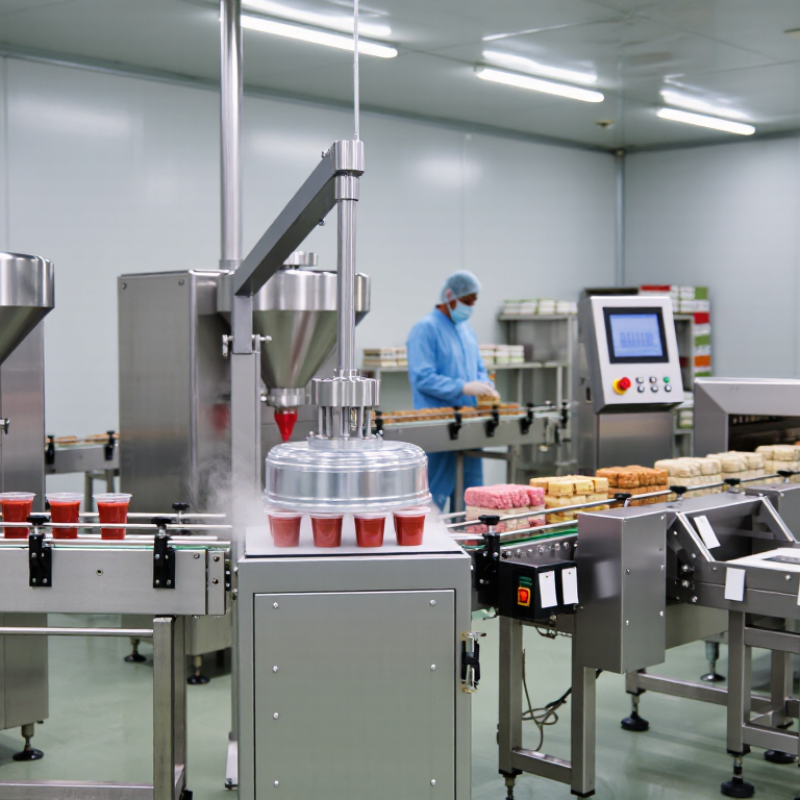
Food Packaging Equipment turns prepared food into a protected, traceable product ready for storage and distribution. It may include fillers, sealers, conveyors, labelers, checkweighers, and metal detectors. Each machine handles a different stage, yet their timing must remain closely coordinated. A liquid filler measures sauce into cups, while a sealing unit applies film with controlled heat and pressure. The finished pack should look simple. The process is not.
This guide explains what Food Packaging Equipment is and how it works in practical terms. We will follow the product path from feeding and portioning to sealing, inspection, and labeling. Real facilities often adjust speed, temperature, pressure, and gas levels for each product. Fresh meat, powdered drinks, and baked goods cannot share identical settings. That assumption needs testing. Operators also monitor hygiene, material compatibility, cleaning access, and accurate product information. Small errors can create leaks, underweight packs, or unclear labels. No machine is flawless.
Reliable packaging depends on more than automation. It requires trained staff, documented procedures, preventive maintenance, and verification checks. Sensors can detect missing products, damaged seals, or unexpected weight changes. However, sensors still need calibration and human review. Equipment selection should reflect production volume, package design, product sensitivity, and available floor space. We will also consider efficiency without treating speed as the only goal. A slower line may produce fewer rejects and safer results. The details matter.
What Is Food Packaging Equipment?
What Is Food Packaging Equipment and How Does It Work?
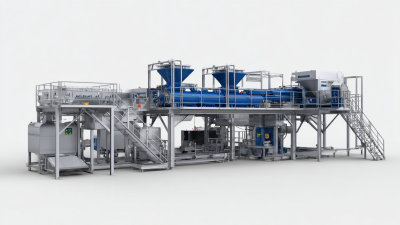
Food packaging equipment refers to machines that fill, wrap, seal, label, inspect, and sometimes weigh food products. It connects several controlled steps into one production line. A filler measures rice, sauce, or powder into containers. A sealing unit then closes the package using heat, pressure, or adhesive film. Conveyors move products between stations, while sensors check position, weight, and seal quality. Some systems also use modified-atmosphere packaging to reduce oxygen exposure.
The equipment protects food from moisture, dust, impact, and contamination during handling. It also improves speed and consistency. The United Nations Environment Programme reported that about 1.05 billion tonnes of food were wasted in 2022. Better packaging cannot solve waste alone, but accurate filling and stronger seals can reduce avoidable damage. PMMI’s 2024 packaging machinery report valued U.S. shipments at roughly 10 billion dollars in 2023. That figure reflects strong demand for automation, though larger equipment is not always better. A poorly adjusted machine can create more waste than it prevents.
Tips: Match the machine to the food’s texture, package material, and production volume. Test sealing strength at different temperatures. Clean contact surfaces regularly, and record failed packages by shift. Small records reveal recurring problems. Operators should verify sensors manually, because automation can drift. Packaging decisions also need practical review: lower material use may reduce cost, but weaker protection can increase spoilage. A balanced trial is safer than trusting a brochure.
What Are the Main Types of Food Packaging Equipment?
Food packaging equipment protects products, controls portions, and keeps production moving. It works by measuring, filling, sealing, labeling, or inspecting food through coordinated stages. In a small plant, an operator may watch seal temperature while checking film tension. Small errors spread. That human check still matters.
Filling machines handle liquids, powders, sauces, and solid pieces. Volumetric fillers measure repeatable amounts, while weigh fillers confirm target weight more precisely. Viscous sauces may need piston or pump systems. Not every filler suits every recipe. Sealing equipment closes trays, pouches, cups, and cartons. Heat sealers bond plastic films, vacuum packers remove air, and modified-atmosphere systems replace air with controlled gases.
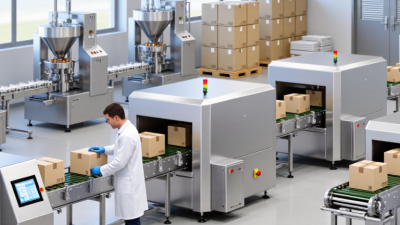
Cartoning machines fold cartons and insert products at speed. Labeling units apply dates, ingredients, allergens, and traceability codes. Checkweighers and metal detection systems help identify process errors before shipment. The best choice depends on product texture, package material, output, cleaning needs, and floor space. Stainless steel surfaces support sanitation, but poor design can still trap residue. That assumption can fail. Operators need training, documented checks, and realistic maintenance intervals. A fast machine is not automatically reliable. Trials with real products often reveal problems that specifications miss. Sometimes, a simpler line performs better.
What Is Food Packaging Equipment and How Does It Work? — Main Types of Food Packaging Equipment
| Equipment Type | Primary Packaging Function | How It Works | Typical Food Applications | Common Packaging Materials | Key Benefits | Important Operating Considerations |
|---|---|---|---|---|---|---|
| Conveyors and Feeding Systems | Move products and packaging components between processing and packaging stations. | Motors, belts, rollers, buckets, or vibratory feeders transport and meter products at a controlled speed. | Packaged snacks, bakery goods, produce, frozen foods, bottles, cans, and cartons. | Food-grade plastic belts, stainless steel, rubber, and engineered polymers. | Creates a continuous production flow, reduces manual handling, and helps synchronize packaging machines. | Equipment must be easy to clean, correctly sized for the product, and adjusted to prevent product damage or clogging. |
| Weighing and Dosing Machines | Measure a specified quantity of solid, granular, powdered, or liquid food. | Load cells, volumetric cups, augers, pumps, or timing controls measure and release a target amount into a package. | Cereals, grains, coffee, flour, spices, confectionery, sauces, oils, and beverages. | Flexible film, pouches, bottles, jars, cans, and preformed containers. | Improves portion consistency, reduces giveaway, and supports accurate package labeling. | Product density, particle size, moisture, flowability, and temperature can affect dosing accuracy. |
| Form-Fill-Seal Machines | Form a package, fill it with product, and seal it in one integrated process. | A roll of flexible film is shaped around a forming tube or cavity, filled with product, and sealed using heat or another sealing method. | Snack foods, frozen products, fresh produce, powders, pet food, and liquid foods. | Heat-sealable plastic films, laminates, and multilayer barrier films. | High throughput, reduced labor, compact layout, and consistent package dimensions. | Film sealability, sealing temperature, pressure, dwell time, product contamination, and film tracking must be controlled. |
| Premade Pouch Filling and Sealing Machines | Fill and close bags or pouches that have already been manufactured. | The machine picks up a pouch, opens it, fills it, removes or controls air when required, and seals the opening. | Ready-to-eat foods, sauces, soups, snacks, coffee, dried foods, and frozen foods. | Stand-up pouches, flat pouches, spouted pouches, and multilayer barrier laminates. | Supports a wide range of pouch shapes and presentation features, including zippers and spouts. | Pouch dimensions, opening performance, seal contamination, and product viscosity influence reliability. |
| Vacuum Packaging Machines | Remove air from a package before sealing it. | A chamber, nozzle, or external vacuum system draws air from the package, after which the opening is hermetically sealed. | Fresh meat, poultry, fish, cheese, processed foods, and some dry products. | Vacuum pouches, barrier bags, and vacuum-compatible trays or films. | Helps reduce oxygen exposure, limits package volume, and can extend quality retention when combined with proper refrigeration. | Vacuum packaging does not replace refrigeration or validated food-safety controls; punctures and residual air can reduce performance. |
| Modified Atmosphere Packaging Systems | Replace the air inside a package with a controlled gas mixture. | Air is removed or displaced, selected gases are introduced, and the package is sealed to maintain the intended atmosphere. | Fresh meat, poultry, seafood, fresh-cut produce, bakery products, and prepared foods. | High-barrier trays, lidding films, pouches, and gas-resistant laminates. | Can slow oxidation and quality deterioration when the gas mixture, package barrier, and cold chain are properly managed. | Gas composition, residual oxygen, film permeability, seal integrity, product respiration, and storage temperature require monitoring. |
| Tray Sealers | Close trays with a flexible lid film to create a sealed food container. | A tray is positioned in a tooling cavity, lidding film is placed over it, and heat and pressure create a perimeter seal. | Fresh meat, seafood, prepared meals, cut fruit, vegetables, and bakery products. | Rigid plastic trays, paperboard-based trays, lidding films, and barrier laminates. | Provides an attractive presentation, supports leak-resistant seals, and can be used with vacuum or modified atmosphere systems. | Tray flange cleanliness, film compatibility, sealing temperature, pressure, and dwell time are critical to seal quality. |
| Bottle and Jar Filling Machines | Fill liquid, viscous, or particulate products into rigid containers. | Products are dispensed by time, volume, weight, level, piston, pump, or flow-meter control before the container is closed. | Beverages, dairy products, sauces, dressings, jams, oils, and liquid condiments. | Glass, PET, HDPE, polypropylene, and other food-contact containers. | Delivers repeatable fill levels and can be integrated with container cleaning, capping, and inspection systems. | Viscosity, foaming, temperature, particulates, sanitation requirements, and container stability affect performance. |
| Capping and Closing Machines | Apply and secure caps, lids, closures, or other container tops. | Closures are sorted, positioned, and tightened, pressed, snapped, crimped, or induction-sealed according to the package design. | Beverage bottles, jars, sauces, dairy products, spreads, and liquid foods. | Plastic caps, metal caps, lug lids, snap closures, corks, and induction-seal liners. | Improves line speed, closure consistency, tamper evidence, and leak prevention. | Torque, cap alignment, liner condition, thread design, container finish, and seal inspection must be controlled. |
| Cartoning Machines | Place primary packages into folding cartons and close the cartons. | Flat carton blanks are erected, products are inserted manually or automatically, and flaps are tucked, glued, or locked. | Cereal boxes, frozen foods, confectionery, bakery products, pouches, trays, and multipacks. | Folding carton board, paperboard, adhesive, and locking carton structures. | Provides secondary protection, supports retail presentation, and enables high-speed case-ready packing. | Carton board stiffness, blank quality, product orientation, adhesive temperature, and feeding accuracy affect output. |
| Case Packers and Case Erectors | Form shipping cases and load grouped products into them. | Flat corrugated blanks are erected, products are collated and inserted, and the case is sealed with adhesive or tape. | Bottles, cans, cartons, pouches, trays, and multipacks for distribution. | Corrugated fiberboard, paper tape, and hot-melt or water-based adhesives. | Reduces manual packing, improves palletizing efficiency, and provides protection during transport. | Case dimensions, board strength, product pattern, compression requirements, and adhesive bonding must be verified. |
| Labeling and Coding Equipment | Apply product information, traceability data, barcodes, dates, lot codes, and regulatory markings. | Labels are dispensed and applied, or information is printed directly onto a package using controlled print heads. | Nearly all packaged foods, including bottles, cans, cartons, pouches, trays, and cases. | Pressure-sensitive labels, paper, films, thermal-transfer ribbons, and inkjet-compatible surfaces. | Supports identification, inventory control, traceability, recall management, and consumer information. | Print contrast, code accuracy, label adhesion, database control, surface cleanliness, and verification systems are important. |
| Checkweighers and Inspection Systems | Verify package weight, seal condition, foreign material, fill level, and product or label position. | Packages pass through sensors, load cells, cameras, metal detectors, or X-ray systems; nonconforming units are rejected. | Packaged meals, meat, bakery products, snacks, dairy products, canned foods, and beverages. | Used with flexible films, rigid containers, cartons, trays, cans, and cases. | Helps maintain quality standards, reduce underweight packages, and identify selected physical or packaging defects. | Calibration, sensitivity settings, product effect, line speed, reject confirmation, and documented verification are required. |
| Palletizing and Stretch-Wrapping Equipment | Arrange finished cases on pallets and stabilize the load for storage or shipment. | Robotic or mechanical systems stack cases in programmed patterns; a wrapping unit applies stretch film around the completed pallet. | Cases of packaged food, beverages, ingredients, and warehouse-ready products. | Corrugated cases, pallets, stretch film, corner boards, and strapping. | Improves load stability, reduces handling labor, and helps protect products from movement and dust during transport. | Stack pattern, pallet condition, film tension, load height, center of gravity, and transport conditions influence stability. |
How Does the Food Packaging Process Work?
Food packaging equipment turns prepared food into a controlled, traceable retail unit. The process usually starts with product inspection and portioning. A multihead weigher measures pieces, while pumps handle sauces or liquids. The filler places food into trays, pouches, cans, or cartons. Heat sealing, vacuuming, or gas flushing then closes the package. A date coder adds production details. Checkweighers and vision systems reject units outside set limits. The line may look simple. It is not.
According to PMMI’s 2023 State of the Industry report, U.S. packaging machinery shipments reached about $10.2 billion in 2022. This reflects demand for automation and reliable quality checks. Yet speed cannot replace process control. Operators verify seal temperature, pressure, dwell time, and cleanability. They also test leak resistance and label accuracy. UNEP’s Food Waste Index Report 2024 recorded 1.05 billion tonnes of food waste in 2022. Better packaging can protect quality, but it cannot fix poor forecasting or careless handling. That limitation deserves attention.
Tips: Match equipment settings to product texture and package material. Check seals immediately after startup and after every changeover. In practical line trials, a small temperature shift can create hidden leaks. Operators should record failures, not quietly adjust them. Packaging lines are precise, but human judgment still matters. Mistakes are useful when documented and reviewed.
What Technologies Improve Packaging Safety and Efficiency?
Food packaging equipment now does more than seal a pouch. It controls contamination risks, fill accuracy, traceability, and operator exposure. A modern line moves containers through filling, sealing, inspection, and case packing. The safety question is simple: can the system detect a defect before shipment? The World Health Organization estimates that 600 million people become ill from contaminated food annually, with 420,000 deaths. That evidence gives packaging controls real importance.
Machine vision checks seal width, print clarity, missing labels, and damaged trays at line speed. Metal detectors and X-ray systems identify foreign material, while checkweighers flag underfilled packs. Modified-atmosphere packaging can slow oxidation and microbial growth through controlled gas mixtures. Sensors record temperature, pressure, and sealing-jaw performance. PMMI’s 2024 State of the Industry Report identifies automation and connected data as major investment priorities.
Speed alone is not efficiency. A rejected pack needs a readable reason, not a mysterious red light.
Robotic pick-and-place units reduce repetitive handling and maintain defined hygienic zones. Digital records support faster root-cause analysis and more consistent audits. Food safety research published by the Institute of Food Technologists highlights the value of rapid, non-destructive inspection. Practical experience still exposes weak points: poorly calibrated sensors, worn sealing surfaces, and rushed cleaning changes. No sensor is perfect. Teams need verification, documented sanitation, and trained judgment. A clean dashboard can still hide a dirty machine.
How Should Food Packaging Equipment Be Selected and Maintained?
Food packaging equipment forms, fills, seals, labels, or checks products before distribution. Selection should begin with the product, not the machine catalogue. Consider viscosity, temperature, package material, target speed, cleaning time, and available floor space. A liquid pouch line needs different controls from a powder auger filler. PMMI’s 2023 State of the Industry report valued U.S. packaging machinery shipments at approximately $10.2 billion in 2022, reflecting continued investment in automation and labor efficiency. Yet higher speed is not always better. Excessive speed can increase leaks, product waste, and inspection errors.
Hygienic design deserves equal attention. The FDA Food Code requires food-contact surfaces to be smooth, durable, corrosion-resistant, and easily cleanable. Ask suppliers for washdown procedures, spare-parts availability, sensor protection, and documented changeover times. Planned maintenance should include daily removal of residue, weekly inspection of seals and belts, and scheduled calibration of scales and temperature sensors. Keep maintenance records with dates, findings, and corrective actions. FAO estimates that 14% of food is lost between harvest and retail, so reliable packaging can help protect valuable products. Still, packaging alone cannot solve poor storage or weak process control. A lower-cost machine may seem sensible initially, but that judgment can fail when cleaning takes longer than production. Testing real product samples remains essential.
Related Posts
-
How to Choose Food Packaging Equipment?
-
Solutions for Efficient Food Packaging Equipment to Enhance Your Production Line
-
7 Secrets to Choosing the Best Meat Equipment for Your Business
-
Top Meat Food Processing Equipment Trends to Watch in 2026?
-
Elevate Your Business with China's Premier Turkey Processing Equipment: Quality Crafted for Global Success
-
How to Leverage Best Food Processing Equipment for Future Technology Trends in 2025