

What Is Fish Processing Equipment and How Does It Work?
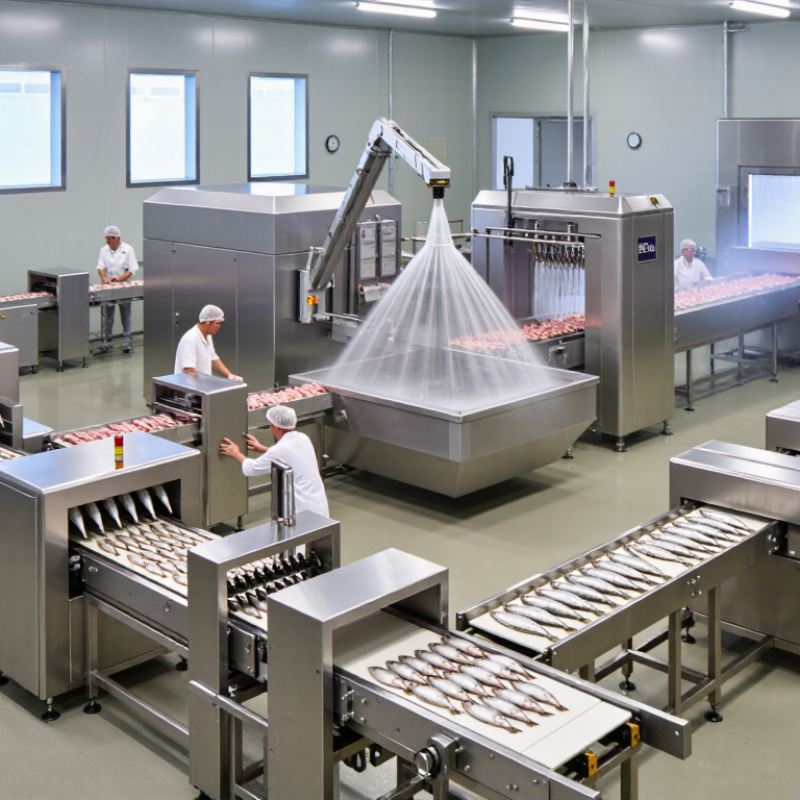
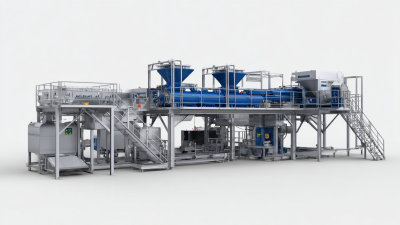
Fish Processing Equipment is the quiet machinery behind safe, consistent seafood production. It receives fresh fish, removes unwanted parts, controls temperature, and prepares products for storage or sale. The system may include graders, conveyors, washers, filleting machines, deboners, freezers, smokers, and packaging units. Each machine has a specific role. Together, they create a controlled production flow.
Dr. H. H. Huss, a respected fish-quality specialist, stated, “The quality of fish products is determined by the quality of the raw material.” This principle still matters. Equipment cannot restore freshness lost through poor handling. Ice must remain clean. Water must meet safety requirements. Operators must monitor surfaces, blades, temperatures, and processing times. Small details can change the final product.
The working process begins when fish enter the receiving area. Sensors and trained workers may check size, temperature, appearance, and physical damage. Grading equipment then separates fish into suitable groups. Cutting machines use calibrated blades, while conveyors maintain a steady rhythm. Freezing systems reduce temperature quickly, helping protect texture and shelf life. Packaging equipment limits exposure to air and contamination.
Still, automation is not a perfect answer. A sensor can drift. A blade can become dull. Human judgment remains important, especially when raw fish vary in size and condition. This article examines how Fish Processing Equipment works, where each stage fits, and why sanitation, maintenance, and process control determine reliable results. The details may seem ordinary. They are not.
What Is Fish Processing Equipment?
What Is Fish Processing Equipment?
Fish processing equipment refers to machines that prepare fish for safe storage, transport, and consumption. The system may include conveyors, graders, de-scalers, heading machines, gutting units, filleting tools, washers, chillers, freezers, and packing lines. Each machine handles a specific risk. For example, grading equipment separates fish by size, while chilling equipment slows bacterial growth after landing.
The scale is substantial. The FAO’s State of World Fisheries and Aquaculture 2024 reported 185.4 million tonnes of global aquatic animal production in 2022. About 89% entered human food supply. This volume requires consistent handling, not only faster cutting. A typical line moves fish across food-grade surfaces, removes unwanted parts, washes residues, and maintains low temperatures. Ice slurry systems can cool fish rapidly. Freezing systems preserve it for longer distribution.
However, equipment does not replace skilled judgment. Operators still check flesh quality, temperature, blade alignment, and water cleanliness. A small delay can reduce texture. A poorly adjusted cutter can increase product loss. The FAO also identifies post-harvest losses as a continuing concern across aquatic food chains. Automation may reduce variation, but it can introduce new mistakes. Sensors need calibration. Cleaning still needs discipline. This part is often underestimated.
| Processing Stage | Equipment | Main Function | How It Works | Typical Output or Control Point |
|---|---|---|---|---|
| Receiving | Receiving Hopper and Conveyor | Moves fish from transport containers to the processing line while reducing manual handling. | Fish are deposited into a food-grade hopper and transferred by a belt, roller, or water-assisted conveyor at a controlled speed. | Uniform product flow; reduced bruising and handling damage. |
| Inspection | Inspection and Sorting Table | Allows operators or optical systems to remove damaged, spoiled, undersized, or unwanted fish. | Fish pass over a sanitary inspection surface where they are visually checked or separated according to size, species, or quality. | Consistent raw-material quality before cutting or cooking. |
| Washing | Fish Washer | Removes surface blood, slime, scales, loose tissue, and other contaminants. | Potable water is sprayed through nozzles or circulated in a controlled washing chamber while rotating drums or conveyors agitate the fish. | Clean product surface; water quality and temperature must be monitored. |
| Scaling | Mechanical Descaler | Removes scales from species that are normally sold or further processed without scales. | Rotating abrasive rollers, brushes, or textured surfaces loosen scales while water flushes them away from the product. | Even scale removal with limited skin damage. |
| Heading and Gutting | Heading and Gutting Machine | Removes the head and internal organs from whole fish. | Guides, knives, and cutting tools are positioned according to fish size and shape; vacuum or water systems may remove viscera. | Clean, accurately cut headed-and-gutted fish; final trimming may be manual. |
| Filleting | Fish Filleting Machine | Separates edible fillets from the backbone and rib area. | Conveyor guides hold the fish while precision knives follow the backbone and make longitudinal cuts on both sides. | Fillet yield depends on species, fish size, trim specification, and operator or machine adjustment. |
| Skinning | Fish Skinning Machine | Removes skin from fillets or portions when a skinless product is required. | A feed roller presses the fillet against a rotating blade or knife cylinder, separating the skin while keeping flesh loss low. | Uniform skin removal; blade settings must match fillet thickness. |
| Deboning | Pin-Bone Remover | Extracts small bones that remain in fillets after primary cutting. | Gripping belts, rollers, or specialized tools locate and pull pin bones from the fillet without substantially changing its shape. | Improved eating quality and fewer detectable bones in the finished fillet. |
| Portioning | Portion Cutter | Cuts fillets or loins into specified weights, lengths, or serving sizes. | Knives or water-jet cutting systems divide product according to programmed dimensions, weight targets, or portion patterns. | More consistent portion weight and reduced trimming waste. |
| Chilling | Flake-Ice Maker or Slurry-Ice Chiller | Lowers fish temperature quickly to slow microbial growth and quality deterioration. | Flake ice contacts the product directly, while slurry ice surrounds fish with a pumpable mixture of fine ice crystals and chilled water. | Product temperature is commonly maintained close to the melting point of ice without freezing the flesh. |
| Freezing | Plate, Blast, or Spiral Freezer | Freezes fish for longer storage and distribution. | Plate freezers freeze packaged product between refrigerated plates; blast and spiral freezers circulate cold air around individual portions or cartons. | Rapid freezing helps form smaller ice crystals and can better preserve texture. |
| Glazing | Fish Glazing System | Applies a thin protective layer of ice to frozen fish. | Frozen portions pass through a water spray, dip tank, or controlled curtain; excess water drains before final hardening. | Helps reduce dehydration and oxidation during frozen storage; glaze percentage must be controlled. |
| Packaging | Vacuum or Modified-Atmosphere Packaging Machine | Seals fish in a package that limits exposure to air and protects it during storage and transport. | Vacuum packaging removes air before sealing, while modified-atmosphere packaging replaces part of the package air with selected food-grade gases. | Improved package integrity and quality protection; refrigeration remains essential. |
| Metal Detection | Food Metal Detector | Detects metallic contaminants that may enter the product during harvesting, cutting, or maintenance. | Packaged or unpackaged product passes through an electromagnetic detection field and is automatically rejected when a programmed signal is exceeded. | Verification checks are required at defined intervals to confirm detection performance. |
| Cold Storage | Refrigerated or Frozen Storage Room | Maintains processed fish at controlled temperatures until shipment or further production. | Insulated rooms use refrigeration systems, air circulation, temperature monitoring, and organized stock rotation. | Temperature stability, hygienic handling, and first-in-first-out inventory control. |
| Sanitation | Cleaning-in-Place and Foam-Cleaning Equipment | Removes fish residues, fats, proteins, and microorganisms from processing surfaces and equipment. | Water, approved detergents, and sanitizers are applied through spray bars, pumps, foam units, or manual cleaning procedures. | Sanitary design, effective rinsing, and documented cleaning verification support food safety. |
Related Posts
-
5 Essential Features of Advanced Fish Processing Equipment for Global Sourcing
-
Master the Essentials of Best Fish Processing Equipment with Expert Insights and Proven Techniques
-
Innovative Examples of Meat Food Processing Equipment for Modern Kitchens
-

2026 Top Beef Processing Equipment for Global Buyers
-
Elevate Your Business with China's Premier Turkey Processing Equipment: Quality Crafted for Global Success
-

Ultimate Checklist for Selecting the Best Poultry Processing Equipment for Your Business