How to Choose Pulses Cleaning and Grading Machine at Canton Fair 2026?
As the global food market continues to evolve, the demand for efficient and reliable Pulses Cleaning And Grading Machines is on the rise. According to industry reports, the pulses processing market is projected to grow by 7.8% annually, driven by increased production and consumption of legumes worldwide. This growth highlights the need for advanced machinery that ensures high quality and precision in cleaning and grading pulses.
The 2026 Canton Fair presents a unique opportunity for buyers to explore various options in this sector. With over 1.55 million square meters of exhibition space, attendees can experience the latest innovations firsthand. The introduction of AI-enabled search and navigation tools further enhances the experience, allowing buyers to filter suppliers based on specific qualifications like ISO and CE certifications. It simplifies the process of finding reliable manufacturers, but also demands careful evaluation of available machines.
Choosing the right Pulses Cleaning And Grading Machine involves more than just price comparisons. Factors such as machine efficiency, energy consumption, and maintenance costs should be weighed critically. Attending the Canton Fair may provide insights, yet buyers must be prepared to engage with multiple suppliers and consider their unique production needs. Reflecting on these aspects will lead to more informed purchasing decisions that ultimately benefit operational effectiveness.
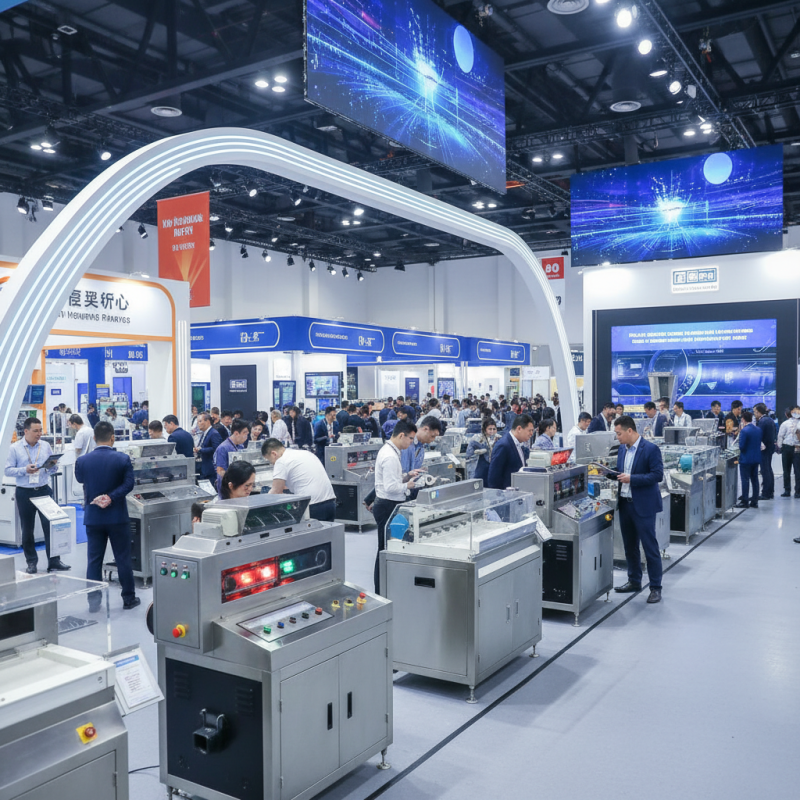
Understanding the Types of Pulses Cleaning and Grading Machines
When attending the Canton Fair 2026, understanding the types of pulses cleaning and grading machines is essential. Different machines serve various purposes in processing pulses. Some machines specialize in removing impurities like dirt and stones. Others focus on sorting pulses by size and quality. This distinction can affect the efficiency of your production.
Consider the technology used in these machines. Some may employ air blowers for cleaning, while others use screens for grading. Look for machines with adjustable settings. Flexibility allows you to process different pulse varieties. Assessing the machine's capacity is critical as well. A machine that handles larger batches could save you time.
Take a close look at the build quality. Some machines may appear robust but may not be durable in the long run. Witness several demonstrations if possible. Test the machines to gauge their effectiveness. Reflect on your specific needs and the types of pulses you process regularly. Prioritizing your requirements will guide your decision-making.
Key Features to Consider When Selecting a Cleaning Machine
When selecting a pulse cleaning and grading machine, several key features should be taken into account. Efficiency is paramount; according to industry reports, machines that operate at higher throughput rates can reduce processing time significantly. For example, a model capable of cleaning 1,000 kg of pulses per hour is often preferred over lower-capacity alternatives. However, it is crucial to balance speed with the quality of cleaning to avoid damaged pulses.
Another essential feature is the adaptability of the machine. Some models can handle various pulse types, which is beneficial for businesses dealing with diverse products. Flexibility in settings allows for modifications based on specific pulse characteristics. Yet, not all machines offer this versatility, leading to potential mismatches with production needs. A study highlighted that nearly 30% of businesses end up with equipment that does not fit their operational scope due to improper assessments.
Additionally, a thorough understanding of the machine's cleaning technology is vital. Innovations like air classification systems or vibrating screens provide enhanced purity levels. However, businesses should be cautious and evaluate these features critically. Sometimes, advanced technology comes with steep learning curves and operational challenges, which can hinder efficiency. A careful review of machinery performance, alongside hands-on demonstrations at trade shows like the Canton Fair, can help avoid costly mistakes.
Evaluating the Manufacturer's Reputation and Experience
When attending the Canton Fair in 2026, evaluating a pulse cleaning and grading machine manufacturer is crucial. Reputation plays a vital role. You may ask, "How many years have they been in the industry?" Experience often translates into quality. Established manufacturers usually showcase a history of innovations. Look for reviews or testimonials from past clients. They provide insights that numbers can't.
Visit their booth and engage in discussions. Are they responsive to your queries? Check their technical knowledge and support services. A strong team suggests reliability. On the other hand, red flags like vague answers may raise concerns. Also, consider their after-sales services. A good warranty indicates confidence in their machinery. In this competitive market, a trustworthy partner can make all the difference.
How to Choose Pulses Cleaning and Grading Machine at Canton Fair 2026?
| Manufacturer Location | Years in Business | Production Capacity (Units/Year) | Certifications | Customer Testimonials Rating (1-5) |
| China | 15 | 5000 | ISO 9001, CE | 4.8 |
| India | 20 | 10000 | ISO 14001, GMP | 4.6 |
| Turkey | 10 | 3000 | CE, TÜV | 4.5 |
| USA | 25 | 8000 | ISO 9001 | 4.7 |
| Brazil | 12 | 4000 | ISO 9001, HACCP | 4.4 |
Analyzing Cost vs. Quality in Pulses Processing Equipment
Choosing the right pulses cleaning and grading machine involves a careful analysis of cost versus quality. In the pulses processing industry, quality equipment directly impacts yield and efficiency. A study by the Food and Agriculture Organization (FAO) indicates that using high-quality cleaning machines can reduce waste by up to 20%. Lower-quality equipment may save costs initially but often leads to higher maintenance expenses.
Tips: Always consider the lifespan of machinery. A well-built machine can operate efficiently for over ten years. This duration offsets high initial costs.
Quality assurance is vital. Machines lacking proper certification may not deliver on performance. Investing in certified equipment ensures adherence to industry standards. According to a report by the International Pulses Trade and Technology Council, machinery with advanced grading features can increase product value.
Tips: Ask for equipment demonstrations. Observing machinery in action can reveal much about its capabilities.
Cost should not be the only factor when making a choice. Poor-quality machines can harm your business in the long run. It’s essential to weigh both short-term savings and long-term benefits carefully. While premium models may seem pricey, they often lead to better quality output.
Tips for Effective Negotiation at Canton Fair 2026
Negotiating at a trade fair can be challenging. At the Canton Fair 2026, you’ll meet suppliers from various countries. To make the most of your experience, preparation is crucial.
Before arriving, set clear objectives. Know what you want to achieve. Do your homework on the suppliers you aim to connect with. When you engage in discussions, listen actively. Ask open-ended questions to understand their offerings fully. This dialogue can uncover potential deals that are not immediately obvious.
Establish a personal connection during negotiations. A friendly approach fosters trust. Use body language to convey interest. Don’t rush the process. Understand that hasty decisions can lead to regrets. Sometimes it's good to take a step back and reevaluate your priorities. This reflection helps in making informed choices.