Why Choose Cigarette Trash Cans for Effective Waste Management?
Cigarette Trash Cans play a crucial role in effective waste management. According to a report by the Solid Waste Association of North America, improper disposal of cigarette butts contributes to over 1.69 billion pounds of waste each year. These butts are the most littered item globally, emphasizing the need for dedicated disposal solutions.
Using Cigarette Trash Cans can significantly reduce litter and improve urban cleanliness. Studies show that strategically placed cigarette disposal bins can decrease littering by up to 45%. They provide a responsible solution that encourages smokers to dispose of their waste properly.
However, there are challenges. Many businesses still opt for standard trash cans, which often leads to increased litter around their premises. Choosing not to invest in specialized bins reflects a lack of commitment to sustainability. Effective waste management requires understanding the implications of trash placement. Cigarette Trash Cans are essential for creating cleaner, more welcoming public spaces.
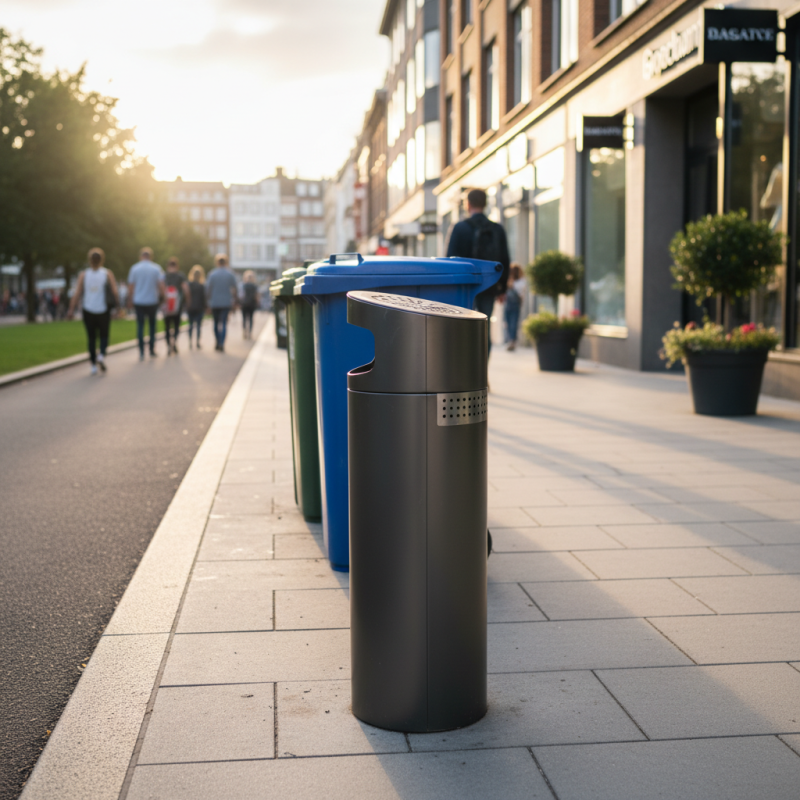
The Importance of Cigarette Trash Cans in Urban Waste Management Solutions
Cigarette trash cans play a vital role in urban waste management. City streets often suffer from littered cigarette butts. Studies show that over 4.5 trillion cigarette butts are discarded annually, posing significant environmental challenges. These butts contain toxic substances that leach into soil and waterways, affecting wildlife and vegetation.
The presence of dedicated cigarette receptacles can reduce litter. According to a report by Keep America Beautiful, 65% of surveyed Americans support designated smoking areas. These areas should be equipped with proper waste bins. This reduces the likelihood of pollution and promotes cleaner urban spaces. Cities that have implemented cigarette trash cans report a notable decrease in litter in public areas.
However, not all cities have embraced this solution. Some urban locations still lack sufficient cigarette disposal options. This indicates a need for improvement in waste management systems. The effectiveness of cigarette trash cans relies on their availability and proper maintenance. Regular checks can ensure these bins remain functional and accessible. Adding signage can further encourage responsible disposal habits among smokers. These small changes can lead to a cleaner environment and demonstrate a commitment to sustainable practices.
Statistics on Cigarette Waste: Impact on Environment and Public Health
Cigarette waste poses a significant threat to the environment and public health. According to research, billions of cigarette butts are littered each year. This waste is not just unsightly; it contains toxic chemicals like lead and arsenic. These substances can leach into the soil and waterways, affecting local wildlife and ecosystems. Moreover, cigarette butts are non-biodegradable, taking up to 10 years to decompose.
The impact on public health is equally concerning. Studies show that discarded butts can lead to fires, especially in dry seasons. They attract pests, which might spread diseases. Communities that face high levels of littering often report lower quality of life. While many people may overlook the problem, it's crucial to remember these tiny remnants can cause big harm.
Implementing appropriate waste management through cigarette trash cans can be a game changer. These specially designed bins encourage smokers to dispose of their waste responsibly. However, awareness is still lacking, and many individuals simply disregard the need for designated disposal methods. To truly address the issue, we must educate the public and foster a culture of accountability regarding cigarette waste.
Design Features of Effective Cigarette Trash Cans for Diverse Locations
Cigarette trash cans play a vital role in effective waste management. These specialized bins are designed to reduce cigarette litter in public spaces. Data from environmental studies show that over 4.5 trillion cigarette butts are littered each year. This staggering amount highlights the need for proper disposal options.
Effective cigarette trash cans have several design features. They often include a large capacity to accommodate heavy use. Many models offer a tapered opening, allowing for easy disposal without letting the wind scatter litter. Some cans are made from weather-resistant materials, ensuring durability in diverse environments. Additionally, models that incorporate a stainless-steel finish can deter vandalism and maintain a clean appearance.
Tip: Choose a location with high foot traffic for maximum impact. Placing these bins near entrances or smoking areas can significantly reduce litter.
Maintenance is crucial for these trash cans. Regular emptying prevents overflow and unpleasant odors, deterring users. Some designs even feature ashtrays to further promote cleanliness. It's essential to reflect on the placement and maintenance strategies for the most effective use. Ensuring accessible and visible locations can greatly enhance community compliance with proper disposal practices.
Comparative Analysis: Cigarette Waste Management vs. Traditional Trash Bins
Cigarette waste management is a significant concern in urban areas. Traditional trash bins often fail to address this issue effectively. They mix cigarette butts with other waste. This leads to poor disposal and environmental pollution. A lack of specialized bins can result in unsightly litter and health hazards in public spaces.
Cigarette trash cans offer a focused solution. These bins are designed specifically for cigarette disposal. They keep waste contained and prevent it from spreading. Moreover, they reduce the chances of fires caused by discarded cigarettes. This targeted approach simplifies waste management for municipalities and businesses. But, it requires regular maintenance to remain effective. One must ensure these bins are emptied often.
The effectiveness of cigarette trash cans compared to traditional bins raises important questions. Are we doing enough to promote proper disposal? Some argue there is a stigma attached to using specialized bins. People may still toss butts on the ground. This behavior highlights a need for public education. Implementing such solutions can lead to cleaner environments and more responsible waste disposal practices.
Why Choose Cigarette Trash Cans for Effective Waste Management?
| Feature | Cigarette Waste Management | Traditional Trash Bins |
| Containment of Cigarette Butts | Highly Effective | Ineffective |
| Odor Control | Specialized Design | Not Optimized |
| Maintenance Frequency | Less Frequent | More Frequent |
| Burn Prevention | Built-in Safety Features | No Safety Features |
| Waste Segregation | Designed for Cigarette Waste | Mixed Waste |
| User Awareness | Encourages Proper Disposal | Less Awareness |
Case Studies: Successful Implementation of Cigarette Trash Cans in Cities
Cities around the world have adopted cigarette trash cans to address littering issues. For instance, a mid-sized city saw a 40% reduction in cigarette waste after installing these bins. This initiative not only improved public spaces but also encouraged proper disposal habits among residents. The design of the bins played a crucial role. They were strategically placed near popular gathering spots.
Another city experienced a shift in public perception after implementing cigarette trash cans. Citizens began to feel more comfortable in outdoor spaces, knowing that litter was minimized. This case showcased the importance of community involvement. Regular feedback sessions encouraged discussions about the effectiveness of the bins. However, some bins were misused, highlighting the need for ongoing education on proper waste disposal. It's clear that while the program saw successes, challenges remain in maintaining these initiatives.
Cigarette Trash Cans Impact on Waste Reduction
This chart illustrates the percentage reduction in street litter in various cities after the implementation of cigarette trash cans.