China Top 10 Car Elevator Platform Manufacturers?
China’s automotive market is expanding, but vehicle storage is becoming more difficult in dense urban districts. The China Association of Automobile Manufacturers reported approximately 30.16 million vehicle sales in 2023. New-energy vehicle sales reached about 9.5 million units during the same year. These figures increase pressure on parking capacity, especially near offices, apartments, dealerships, and mixed-use developments.
The International Energy Agency’s Global EV Outlook 2024 stated that China represented nearly 60% of global electric-car sales in 2023. Electric vehicles also require careful handling because of their weight, battery placement, and charging arrangements. A reliable Car Elevator Platform must therefore offer accurate positioning, stable lifting, controlled movement, and suitable safety interlocks. Product selection cannot depend on price alone.
This guide examines China’s top 10 Car Elevator Platform manufacturers through practical criteria. These include lifting capacity, platform dimensions, hydraulic or traction technology, installation experience, maintenance response, certification records, and customization capability. The China Construction Machinery Industry Association and relevant national standards provide useful technical references, although elevator-platform data is not always reported separately. That gap matters.
Real performance is visible on site.
A platform may look impressive in a showroom, yet operate poorly in a humid underground garage. Buyers should request load tests, project references, emergency procedures, and clear warranty terms. Manufacturer rankings can also be subjective. A supplier with strong engineering may have limited overseas service coverage. Another may offer low prices but weaker documentation. This article compares available evidence carefully, while recognizing that no single list can represent every project requirement.
What Is a Car Elevator Platform?
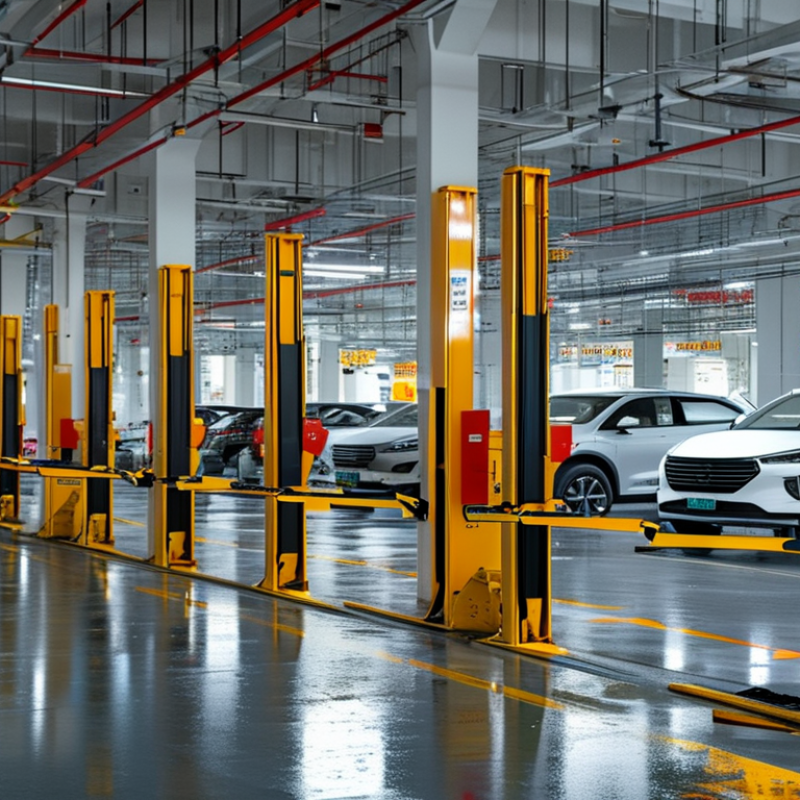
A car elevator platform is a powered lifting system that moves vehicles between different levels. Unlike a passenger elevator, it uses a reinforced platform, guide rails, hydraulic cylinders, or traction equipment. The platform may carry one car, several cars, or a vehicle with passengers, depending on local design requirements.
Urban land pressure is increasing the need for compact parking systems. The United Nations reports that 56% of the world’s population lived in urban areas in 2021, with this share projected to reach 68% by 2050. A car elevator can connect underground garages, rooftop parking areas, and split-level workshops without long ramps. It saves floor space, but the shaft still needs accurate drainage, ventilation, lighting, and emergency access. Small details matter.
The International Energy Agency reported nearly 14 million electric car sales worldwide in 2023. This trend changes platform design. Electric vehicles are often heavier because of their battery packs, so engineers must verify rated load, platform deflection, stopping distance, and door-lock performance. Water-resistant controls and suitable fire-response planning also deserve attention. In practice, a platform may look simple, yet poor leveling can damage tires or suspension components. My concern is that some market descriptions focus on lifting capacity alone. That is incomplete. Maintenance records, testing procedures, operator training, and site-specific risk assessment are equally important. Safety cannot be measured by appearance.
How to Evaluate Chinese Car Elevator Platform Manufacturers
China Top 10 Car Elevator Platform Manufacturers?
How to Evaluate Chinese Car Elevator Platform Manufacturers
A reliable evaluation starts with engineering evidence, not a polished website. Check whether the manufacturer designs platforms for your vehicle weight, dimensions, parking height, and local building conditions. Ask for load calculations, hydraulic diagrams, electrical drawings, and test records. A factory should explain emergency lowering, door interlocks, overload protection, and manual recovery procedures clearly.
Visit the production site when possible. Observe steel cutting, welding, surface treatment, and final assembly. Clean welds matter. So does traceability. Each major component should have identifiable specifications and inspection records. Request references for similar projects, especially installations in cold, humid, or high-use environments. Speak with operators, not only sales staff. Their comments may reveal vibration, water leakage, or slow maintenance response.
Do not judge quality from price alone. A low quotation may exclude pit work, shipping protection, installation training, or spare parts. Review warranty limits and response times in writing. Confirm compliance with applicable safety standards and local inspection requirements. A serious supplier supports independent testing and accepts reasonable design changes. Still, no evaluation is perfect. A successful installation can depend on contractors, drainage, and daily maintenance. That part is often overlooked. Personally, I would score technical transparency higher than impressive showroom displays, then compare the final risks against the project budget.
China’s Top 10 Car Elevator Platform Manufacturers
China’s Top 10 Car Elevator Platform Manufacturers are often assessed through engineering capability, production control, and after-sales performance. A reliable manufacturer should provide load calculations, platform drawings, safety specifications, and clear installation guidance. Factory experience matters because a vehicle platform must handle repeated lifting, vibration, and uneven loading.
The strongest suppliers usually offer hydraulic or traction systems for garages, showrooms, and restricted urban sites. Their platforms may support passenger cars, SUVs, or heavier vehicles, depending on structural design. Look for tested emergency lowering, mechanical locks, anti-slip plates, guardrails, and durable control panels. A practical factory visit can reveal welding quality, cable routing, paint thickness, and inspection discipline. Photos alone are not enough.
Certification documents should match the destination market and the actual equipment model. Ask about factory acceptance tests, spare parts, response times, and local technician support. Some suppliers communicate well before delivery, but service becomes slower after installation. That weakness deserves attention. Buyers should compare warranty terms, delivery records, customization limits, and maintenance intervals instead of relying on a “top ten” label. The best choice may not be the cheapest platform; it should fit the building, traffic pattern, soil conditions, and daily operating frequency. Small design details matter.
How to Choose the Right Manufacturer for Your Project
China Top 10 Car Elevator Platform Manufacturers
Choosing among China’s leading car elevator platform manufacturers requires more than comparing prices. Start with your project conditions: vehicle weight, platform size, lifting height, pit depth, headroom, and daily operating frequency. A capable manufacturer should review your drawings and identify conflicts before offering a final quotation. Ask for load-test records, product specifications, factory quality procedures, and evidence of completed installations.
Look closely at the lifting system and safety design. Confirm the rated capacity includes vehicle and passenger loads. Check emergency lowering, anti-fall protection, door interlocks, overload control, and platform leveling accuracy. Request clear electrical diagrams and maintenance instructions. Technical answers should be specific, not promotional. If a supplier cannot explain how its system performs during a power failure, pause the purchase.
Inspect communication and after-sales support as carefully as the equipment. A reliable manufacturer should provide foundation drawings, installation guidance, spare-parts availability, and technician response times. Ask whether replacement parts remain available several years later. Visit a working installation when possible. Photos are useful, but they can hide poor finishing or difficult access. A low quotation may seem attractive. However, unclear exclusions can create expensive changes later. I would also leave room for doubt: even a well-tested platform may need design adjustments after a site survey. Confirm every assumption in writing before production begins.