Top Chicken Processing Equipment Trends for 2026 Buyers Guide?
As the chicken processing industry evolves, staying updated with the latest trends is essential. In 2026, buyers seek cutting-edge Chicken Processing Equipment that enhances efficiency and productivity. This guide aims to highlight significant advancements that buyers should consider.
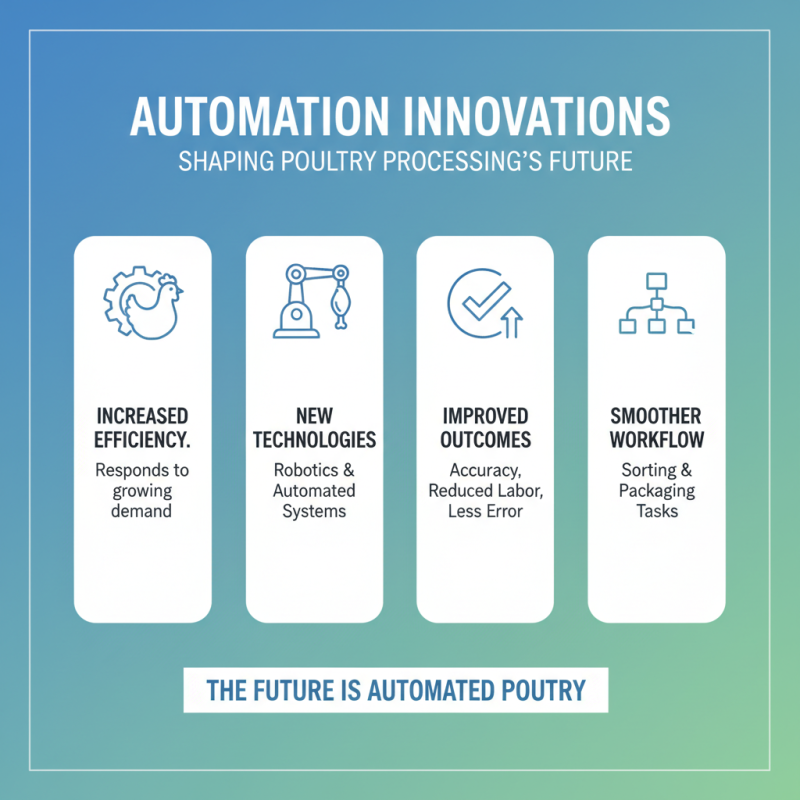
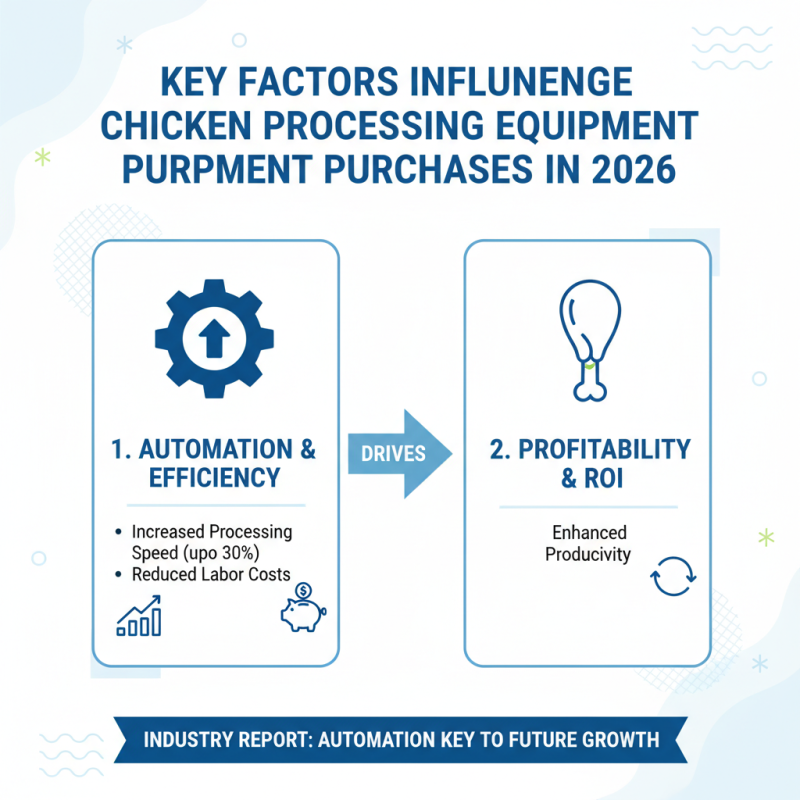
Investing in modern equipment is vital for increasing processing speed and ensuring product quality. Automation plays a crucial role in minimizing labor costs while maximizing output. Technologies such as advanced sorting systems and AI-driven monitoring are making waves in the industry. These innovations promise greater accuracy and control over production processes.
However, the landscape is not without challenges. With rapid advancements, some equipment may become obsolete quickly. Buyers need to reflect on their long-term needs and consider flexibility in their choices. Ensuring equipment reliability is equally important, as breakdowns can lead to costly delays and losses. By evaluating these trends, buyers can make informed decisions that support sustainable growth in chicken processing.
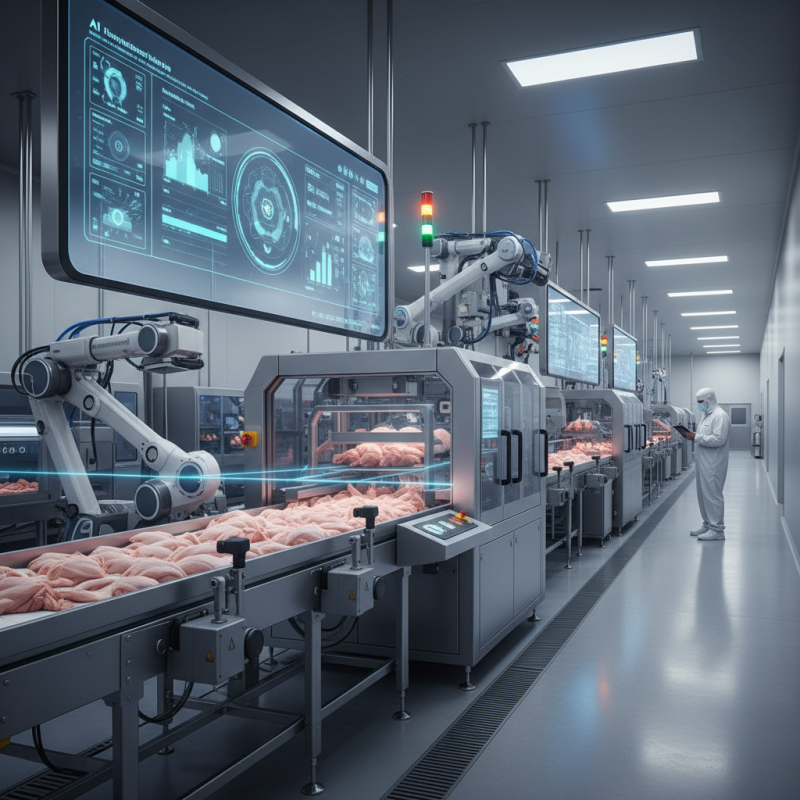
Emerging Technologies in Chicken Processing Equipment for 2026
The chicken processing equipment sector is evolving rapidly as it embraces new technologies. By 2026, automation and robotics are expected to dominate this space. According to recent reports, automation can improve efficiency by up to 30%. Equipment designed for handling, cutting, and packaging is increasingly integrated with advanced AI systems. These systems enhance precision and reduce waste, which is vital in a market facing rising costs.
Moreover, sustainability is a crucial focus. The adoption of energy-efficient machinery is on the rise. Up to 40% of companies are investing in eco-friendly processing solutions. These innovations not only lower energy costs but also align with consumer demand for sustainable practices. However, transitioning to these technologies poses challenges. Many facilities may struggle with initial investment costs and require thorough training for staff.
Data analytics is another emerging trend in the industry. Utilizing data can streamline operations and enhance decision-making. However, reliance on data can create dependencies that must be managed carefully. The integration of these technologies also raises questions about cybersecurity. As companies invest in digitization, protecting sensitive data becomes essential. Companies must navigate these complexities while striving to stay competitive.
Sustainable Practices in Chicken Processing: Trends to Watch
Sustainable practices in chicken processing are becoming increasingly important as consumers demand more environmentally friendly products. Companies are focusing on reducing their carbon footprint. This involves using renewable energy sources and optimizing production processes. Many processors are also prioritizing waste reduction. This can include repurposing by-products and improving water usage efficiency.
Innovative technologies play a crucial role in these sustainable efforts. For instance, advanced monitoring systems help track energy and water consumption. These systems can identify areas for improvement. Enhancing efficiency not only supports the environment but can also reduce operational costs. However, some companies struggle to integrate these technologies effectively, leading to inconsistencies.
Training and education are vital in promoting sustainable practices. Employees at all levels must understand the importance of these initiatives. A culture of sustainability can take time to build. Resistance to change often hinders progress. Companies that invest in training often see better outcomes. Fostering collaboration among stakeholders can help in overcoming these obstacles and driving the industry forward.
Top Chicken Processing Equipment Trends for 2026
Market Preferences: Consumer Demands Impacting Processing Equipment Choices
Consumer demands are reshaping chicken processing equipment in 2026. Today’s buyers prioritize sustainability and efficiency. Fast food chains and supermarkets increasingly seek eco-friendly solutions. Technologies that reduce waste and energy usage attract attention. Automation remains crucial, but how it aligns with consumer preferences is evolving.
Many processors now face challenges in integrating new equipment. They must consider not just cost but also flexibility. Equipment that can adapt to changing consumer tastes is vital. For instance, the rising demand for organic chicken influences the types of processing methods. This trend compels manufacturers to rethink their strategies. Simultaneously, processors feel pressure to maintain high standards of hygiene and safety. Balancing innovation with practicality is a common struggle.
The landscape is shifting rapidly. Buyers often feel overwhelmed by the options available. With so many trends, selecting the right equipment becomes challenging. Processors must stay informed about both technology and consumer bases. Engaging with groups that analyze market shifts can provide valuable insights. This approach can help processors anticipate future needs effectively.
Top Chicken Processing Equipment Trends for 2026 Buyers Guide
| Trend |
Description |
Impact on Processing |
Consumer Demand |
| Automation Technology |
Increased use of robotics and automation for efficiency and safety. |
Higher throughput and reduced labor costs. |
Growing preference for products with lower prices and consistent quality. |
| Sustainability Initiatives |
Focus on reducing waste and environmental impact. |
Enhanced brand reputation and customer loyalty. |
Increased consumer demand for eco-friendly products. |
| Traceability Solutions |
Advanced tracking systems for supply chain transparency. |
Improved food safety and quality assurance. |
Consumer preference for transparency in sourcing and production. |
| Advanced Quality Control |
Implementation of AI and machine learning for better inspection. |
Higher product quality and reduced recalls. |
Consumers increasingly prioritize safety and quality of food products. |
| Connected Equipment |
Integration of IoT for real-time monitoring. |
Enhanced operational efficiency and reduced downtime. |
Demand for more reliable and efficiently-produced food products. |